

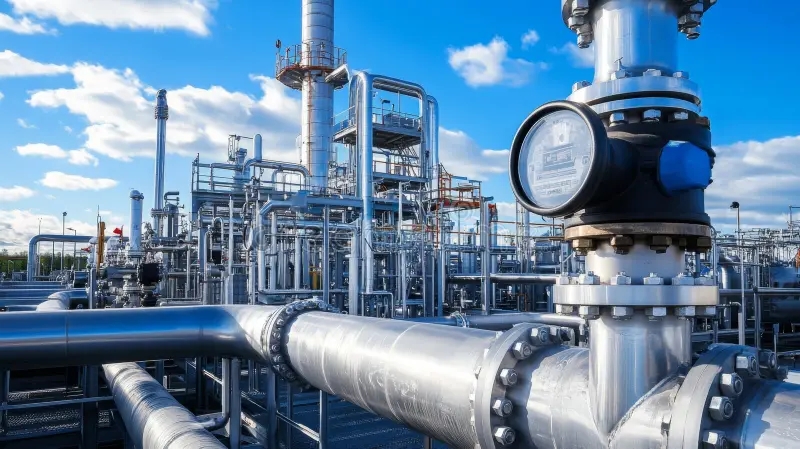
Reliable transport systems depend on secure joining methods that prevent leakage during long-term operation. Strong sealing parts support pressure balance inside heavy-duty lines used in processing units. Proper selection of oil and gas flange components helps maintain alignment during continuous flow movement. Tight-fitting joints reduce vibration impact during high load transfer conditions. Durable materials support long service life without frequent repair needs. The following content explains how stable connection systems support safe pipeline performance in many working environments.
Strong connection support for pressure control
Stable joints keep pipeline sections aligned during heavy load movement. Proper sealing prevents loss during high-temperature operation.
- Accurate fitting design helps maintain a stable joint position during constant pressure flow
- Thick metal structure supports long usage without shape change under load
- Smooth surface finishing improves tight sealing between connected pipe sections
- Proper bolt tightening method keeps the connection secure during vibration conditions
Secure joining structure keeps system performance steady during continuous operation.
Material strength selection for long usage
Metal quality plays an important role in long-term pipeline safety. Strong materials reduce damage caused by pressure change. Corrosion resistance helps maintain smooth flow inside connected sections. Proper testing ensures parts remain stable under heavy working conditions.
Sealing structure improving joint reliability
Correct sealing shape avoids gap formation during high-pressure movement. Good surface contact reduces the risk of leakage during long-term usage.
Careful installation keeps both ends aligned without stress formation. Maintenance checks help confirm the sealing condition remains strong.
Load handling capacity in flange systems
Heavy-duty connections support safe transport inside complex piping layouts. Strength calculation ensures parts can hold high internal forces. Balanced design reduces stress on surrounding pipe sections. Engineers depend on tested connection units for stable performance.
Maintenance points for secure pipeline joints
Regular inspection keeps connection parts safe during long operation. Proper care reduces sudden failure risk.
- Clean the contact surface before fitting to avoid sealing gap formation
- Use the correct bolt size to maintain equal tightening pressure distribution
- Check alignment before fixing to prevent stress on joint edges
- Apply proper torque value during installation to avoid a loose connection
- Inspect the sealing ring condition during the routine maintenance schedule
- Replace worn bolts immediately to maintain joint holding strength
- Confirm pressure rating matches pipeline working load requirement
- Ensure protective coating remains intact to avoid corrosion damage
Proper maintenance practice keeps oil and gas flange joints reliable for long service.
A consistent connection method ensures stability
Stable piping systems depend on accurate joining parts that hold pressure without movement. Proper material selection supports long service without frequent repair. Careful installation keeps sealing surfaces aligned during continuous flow. Regular inspection prevents small damage from becoming a large failure. Consistent use of strong connection units keeps transport lines safe during demanding operations.
