

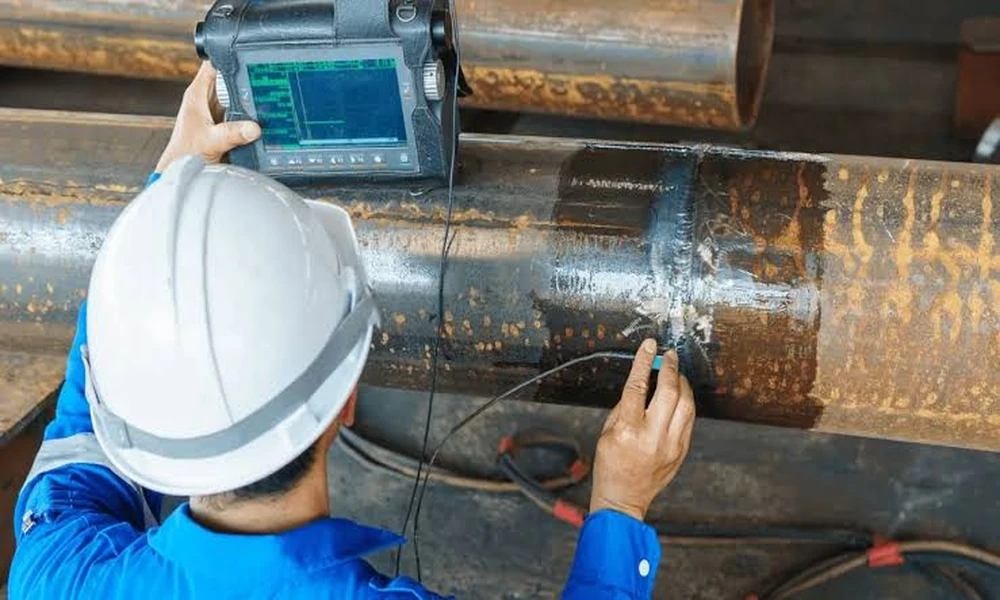
Reliable inspections help manufacturers maintain product quality while keeping equipment ready for daily operations. Industrial production depends on accurate checks that identify hidden flaws before they affect performance. Modern testing methods allow technicians to examine parts without damaging their structure. Using non destructive testing for steel structures helps inspectors assess strength, identify internal defects, and support dependable production standards.
Advanced Testing Methods
Non-destructive testing allows technicians to inspect components without cutting, breaking, or permanently changing their structure. Each technique serves a different purpose depending on the component design and the type of defect being examined. Selecting suitable inspection methods improves accuracy while helping teams maintain consistent quality throughout production.
Common testing methods include:
- Ultrasonic testing identifies internal flaws using high frequency sound waves.
- Radiographic inspection reveals hidden defects inside selected components.
- Magnetic particle testing detects surface cracks in suitable metals.
- Liquid penetrant testing reveals small openings on nonporous surfaces.
- Visual inspection helps identify visible damage before detailed examination.
Accurate Defect Detection
Finding defects early helps manufacturers correct production issues before affected components move forward. Advanced inspection tools can identify cracks, gaps, corrosion, and other irregularities that ordinary visual checks may miss. Technicians can then assess the findings and decide whether repairs or further inspections are necessary.
Reliable defect detection depends on suitable equipment settings and trained inspection staff, with non destructive testing for steel structures supporting detailed assessments of metal integrity and structural condition. Accurate findings help teams maintain consistent production standards while reducing unnecessary component replacement.
Better Production Monitoring
Regular inspection supports quality control throughout manufacturing rather than only at the final stage. Industrial teams can examine components during production to identify changes that may affect their finished quality. This approach helps managers address issues earlier while maintaining steady operating schedules.
Effective monitoring can focus on several important areas:
- Routine inspections help identify production variations before final approval.
- Recorded test results support consistent reviews across manufacturing stages.
- Equipment checks help maintain dependable readings during repeated inspections.
Skilled Inspection Practices
Advanced equipment delivers useful results when technicians understand its correct operation. Staff training helps inspectors select suitable testing methods and interpret findings accurately. Clear inspection procedures also help different team members follow consistent steps while checking components.
Industrial quality teams can strengthen their inspection practices through regular training and careful planning. Useful measures include reviewing equipment performance and keeping accurate inspection records. Supervisors can also compare findings across production stages to identify recurring issues and improve work procedures.
Reliable Quality Management
Quality control becomes more effective when inspection results guide everyday production decisions. Managers can use recorded findings to identify recurring defects and adjust manufacturing processes accordingly. Industrial facilities that maintain clear testing procedures can improve consistency while supporting equipment reliability and workplace productivity.
Reliable manufacturing depends on informed decisions supported by accurate inspection results. Businesses can strengthen quality management by selecting suitable testing methods and maintaining clear procedures. Investing in technician training also helps improve inspection accuracy. These practical steps support dependable products while encouraging efficient production and responsible equipment management.
