

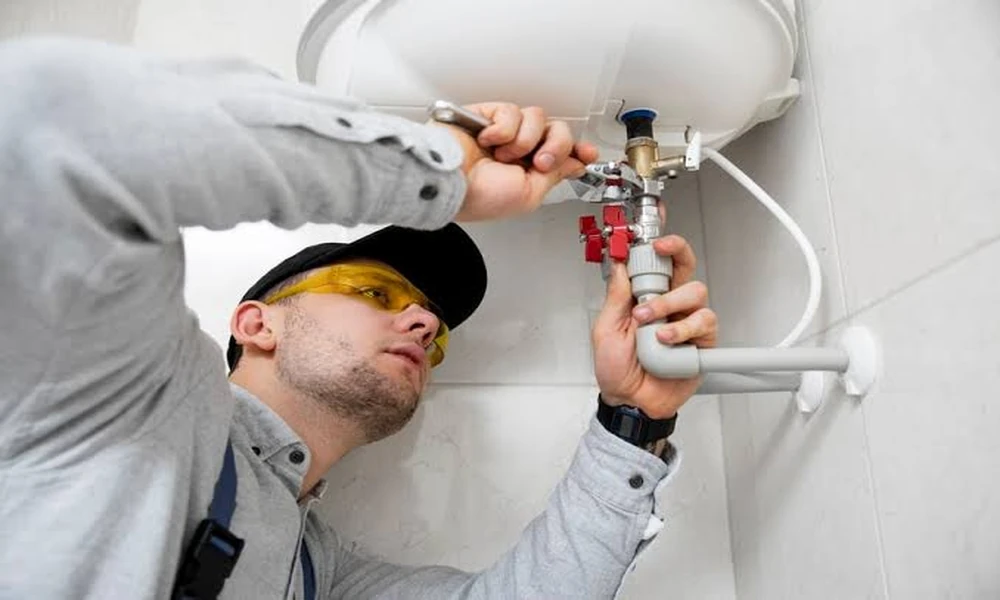
A water leakage specialist Singapore homeowners can actually rely on is not just someone with waterproofing materials and a willingness to apply them. The specialist part matters. Water in a building rarely enters where it appears, travels in unexpected directions, and requires genuine diagnostic skill to locate accurately before any repair has a chance of lasting. Getting the detection right is what separates a permanent fix from a repeated visit.
Why Accurate Detection Matters More Than the Repair Itself
A stain on a ceiling, a patch of damp on a wall, or persistent wet patches on a floor can all come from sources several metres away. Water entering through a crack in a flat roof slab might travel along a beam and surface in a bedroom ceiling. A leaking bathroom floor in the unit above might pass through the floor slab and emerge from a light fitting in the kitchen below.
The location of the visible damage is a clue, not a diagnosis. Treating the surface stain without tracing the moisture path to its actual entry point is the most common reason waterproofing repairs fail within a year. The visible symptom disappears briefly, then returns because the source was never addressed.
A water leakage specialist Singapore property owners can trust will always start with a thorough investigation before recommending any treatment. This typically involves moisture meter readings across the affected area, inspection of the most likely entry points for the specific leak type, and in some cases thermal imaging to detect hidden moisture pathways behind walls and ceilings.
Common Sources of Residential Leaks in Singapore
Singapore’s building stock presents a fairly predictable set of leak sources, shaped by the climate, the construction methods used across different building eras, and the way units are used.
Bathroom and toilet floor slabs are the most common source of inter-floor leaks. The waterproof membrane beneath the tiles degrades with age and heavy use, allowing water from showering and cleaning to seep through the slab into the unit below. In older buildings, the original membrane may have been laid to lower standards than current practice requires.
Flat roofs and roof terraces develop hairline cracks as concrete expands and contracts through Singapore’s temperature cycles. Ponding water exploits these cracks and enters the slab. Balconies present the same challenge at lower levels.
Planter boxes hold moist soil against concrete surfaces year-round. Over time, the concrete behind a planter saturates and begins to transmit moisture into the structure below, causing damage that is often attributed to other sources before the planter is identified.
Construction joints between concrete pours and pipe penetration points are reliable failure locations in any building past its first decade.
What a Professional Repair Involves
Once the leak source is confirmed, the appropriate treatment depends on what was found. Most residential leaks in Singapore respond well to injection grouting – the introduction of polyurethane or epoxy resins through small ports drilled into the affected surface. The resins seal the water pathways from within without removing tiles or screed.
B4 Water Leakage Specialist handles this full process – detection, material selection, application, and warranty – as an integrated service. Their approach prioritises finding the actual source before any work begins, which is the foundation of a repair that holds.
For cases involving failed concrete roof slabs, exposed balconies, or large-area planter box repairs, surface-applied membranes may be used in addition to injection grouting, with the combination chosen based on the specific conditions found during inspection.
As former Prime Minister Lee Hsien Loong has noted, “We take pride in maintaining Singapore as a place worth living in.” That pride begins at the household level, with owners who address maintenance issues properly rather than cosmetically.
HDB flat owners dealing with suspected inter-floor leaks can refer to HDB’s water seepage resolution guide for clarity on their responsibilities and the process for resolving disputes with neighbours.
When to Call a Specialist
A damp patch that appeared once and disappeared might be condensation or a one-off event. A recurring stain, a smell of moisture that returns after drying, or visible water during or after rain all suggest an active entry point that warrants professional investigation.
The earlier the investigation happens, the lower the cost of the eventual repair. Water damage compounds over time. Concrete absorbs moisture and begins to degrade. Rebar rusts and expands, cracking the concrete further. Timber elements rot. A small leak caught early costs a fraction of what the same leak costs if addressed two years later.
For Singapore homeowners who suspect a water ingress problem, contacting a water leakage specialist Singapore for a proper diagnostic assessment is the most cost-effective first step available.
