

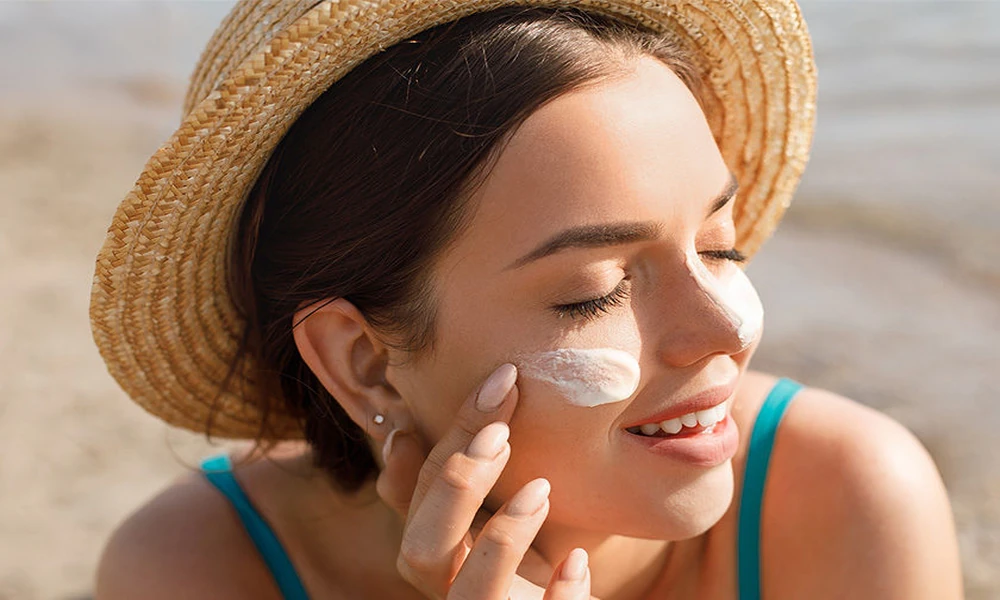
Sun protection products built on zinc ingredients behave quite differently from chemical lotions. Formulators choosing zinc oxide bp gain a pharmacopoeia grade powder meeting strict purity limits. Its tiny particles handle harmful rays in three separate ways. Most incoming radiation gets soaked up, while smaller portions bounce away. Knowing these actions helps brands design safer daily protection.
What Happens When UV Rays Meet Zinc Particles
Zinc particles soak up most incoming UV energy, then release it as harmless heat. A smaller share bounces or spreads away from the skin before causing damage.
Why Broad Coverage Matters for Daily Skin Care
UVB rays cause burning, while UVA rays drive premature ageing. Zinc particles block both ranges, reaching wavelengths close to 380 nanometres.
Stability adds another advantage over many organic ingredients. Zinc particles do not break down under strong sunshine. Protection therefore lasts longer between reapplications. Gentle behaviour also suits sensitive skin types.
Quality Points Buyers Should Check First
Purity plus particle consistency decide how well a product performs. Review these details before ordering any batch.
- Purity levels should meet published pharmacopoeia limits after ignition testing.
- Heavy metal content must stay below strict safety thresholds.
- Particle size affects whitening on skin once lotions dry.
- Certificates of analysis should accompany each delivered production lot.
- Moisture content needs checking because damp powder clumps easily.
Particle size shapes how a finished cream looks on skin. Larger grains leave a visible white film after application. Nano grades of zinc oxide bp appear far clearer once rubbed in. Regulators in major markets permit concentrations up to 25 percent in sun protection products.
Formulation Tips for Smoother Finished Products
Good dispersion prevents streaks along with uneven coverage. Simple steps improve texture without weakening protection.
- Coated particles mix more evenly into oil-based creams.
- Thorough milling breaks apart clumps before final blending begins.
- Tinted bases help hide remaining white residue on darker tones.
| Property | Zinc Particles | Common Organic UV Ingredients |
| How protection works | Mostly soaks up, partly bounces rays | Absorbs rays through chemical reactions |
| UVA coverage | Broad, reaching about 380 nm | Often requires multiple combined ingredients |
| Stability in sunshine | Very stable | Some break down over time |
| Skin sensitivity | Rarely irritating | Occasionally irritating for reactive skin |
| Look on skin | Can leave white residue | Usually clear |
Each type brings clear strengths for formulators. Zinc particles stand out for stability plus gentle broad coverage.
Sun Protection FAQ for Formulators
- Does zinc mostly bounce rays away from skin? No, it mainly soaks up UV energy as heat.
- What does BP mean on a product label? It confirms compliance with British Pharmacopoeia quality standards.
- Are nanoparticles allowed in cosmetics? Yes, major regulators permit them within set safety limits.
- How much zinc can a cream contain? Many markets allow up to 25 percent concentration.
- Does zinc suit sensitive skin types? Yes, it rarely irritates compared with many alternatives.
Select Quality Carefully
Inorganic grains mainly convert UV energy into mild warmth on skin. Their broad reach covers burning plus ageing wavelengths alike. Stable behaviour under strong sunshine keeps coverage reliable for hours. Check certificates, metal thresholds, and particle size before purchasing. Careful sourcing builds dependable creams that customers trust season after season.
